Ensimmäinen lehtitaitto

Nyt ollaan päästy käsiksi lehtitaittoon. Ihan ensimmäinen harjoitus taitto tehtiin yhdessä opettajan ohjaamana. Nyt ollaan päästy tekemään osaksi valmiista teksteistä ja kuvista taitosta oman näköistä. Meidän on itse pitänyt tehdä ja muokata kappaletyylit lehteä varten, mikä oli aluksi haastavaa. Se alkoi sujua paremmin jo muutaman kappaletyylin jälkeen, toki se vielä tuntuu hieman haastavalta.

Now we’ve got our hands on magazine lay outs. The first lay out we did together with the teacher. Now we’ve got to make our own lay out from partially ready texts and pictures. We had to design our own paragraph styles, which in the beginning was difficult. It started to go better already after few paragraph styles, even though it still feels a little difficult.

Lehden sivuasetukset. The magazine’s page setup.
Lehden sivu. A page from the magazine.

Master sivulle laitoin sivun värin, mikä helpotti työtäni. Myös master sivulla on sivunumero, lehden nimi ja minun nimi. Ingressissä on anfangi mikä on kooltaan 2 riviä ja yksi merkki. Ingressissä on myös sävytys takana. Leipäteksti on pistekooltaan 10.

To the master page I put the page color because it’s repeated in every page, so that made my work easier. Also in the master page there’s page number, the name of the magazine and my name. There’s a drop cap in the lead that’s two lines and one character size wise. Also in the lead there’s shading behind it. The body text is type size 10.

Sitaatit tein ingressin alatyypiksi, ilman anfangia. Lainausmerkit lisäsin erikseen, koska asetuksista en löytänyt vaihtoehtoa mistä ne olisi voinut lisätä.

Quotes I made as a subtype to the lead, without the drop cap. The quotation marks I added separately because I couldn’t find a setting for it.

Valokuvaus – Photographing

Tässä postauksessa kerron enemmän valokuvauksesta ja avaan ovea hieman valokuvaus sanastoon. Olen aloitteleva valokuvaaja ja minulla on vielä paljon opittavaa valokuvauksen maailmasta.

Kameroita ja objektiiveja on paljon erilaisia. Sinun tulee itse valita mikä on tarpeillesi paras. On täys- ja croppikennoisia kameroita. Täyskenno kamerat ovat enemmän ns. ammattilaiskäyttöön suunnattuja kameroita, kun taas croppikennoiset kamerat soveltuvat hyvin harrastelijoille. On myös paljon erilaisia editointi ja jälkikäsittely ohjelmia. Niin ilmaisia kuin maksullisia. Sinun kannattaa valita ohjelma tarpeidesi ja budjettisi mukaan.

Sanastoa:
Polttoväli = Termi, joka kuvastaa sitä miten linssi taittaa valoa. Kameroissa se kuvastaa objektiivin ominaisuutta, kuinka laaja kuvakulma siinä on ja miten paljon se suurentaa kuvaa.
Valotusaika = Määrää sen, kuinka kauan valoa pääsee kameran kennolle. Aika ilmaistaan kameroissa sekunteina esim. 1/60 tai 1/1000. Osilla kameroista on BULB- ominaisuus, mikä mahdollistaa niin pitkän valotusajan, kuin suljinta painaa. BULB- ominaisuuden kanssa suositellaan käytettäväksi jalustaa.
Aukko & aukkoluku = Eli aperture mitataan f-lukuina. Se kertoo miten paljon valoa pääsee kameraan. Mitä pienempi f-luku, sitä enemmän valoa pääsee kameraan. Aukko vaikuttaa kuvan syväterävyyteen. Suurella aukolla (esim. f/1.4) voi kuvata pehmeällä taustalla ja tarkalla etualalla varustettuja kuvia. Kun taas pienellä aukolla (esim. f/22) voi kuvata kauttaaltaan tarkkoja kuvia.
Herkkyys eli ISO-arvo = Kertoo kuinka herkkä kenno on valolle. Mitä matalampi ISO-arvo, sitä vähemmän herkkä kenno on valolle ja sitä vähemmän on kohinaa. Suurta ISO:a joudutaan käyttämään hämärässä kuvatessa tai jos halutaan nopea suljinaika.
White balance = Ilmoitetaan kamerassa värilämpötilana, jonka asteikkona on Kelvin. Se vaikuttaa siihen miten värit toistuvat kuvissa. 

On this post I’ll be sharing more about photographing and opening a door to a photographing terms. I’m a beginner photographer and I still have a lot to learn from the photographing world.

There are a tons of different cameras and lenses. It’s up to you to choose which suits your purposes the best. There are full frame and crop sensor cameras. Full frame cameras are so-called professional cameras, where as crop sensor cameras are good enough for amateurs and beginners. There are a lot of editing and finishing softwares. Both free and paid. You should choose a software according to your needs and a budget.

Terms:
Focal length: A term that tells you how the lens refracts light. In cameras it tells you about the capability of the lens, how wide the frame is and how much it magnifies the picture.
Shutter speed: It tells you for how long will the light hit the image sensor of the camera. It’s indicated in seconds e.g. 1/60 or 1/1000. Some cameras have a BULB- mode which allows you to have as long shutter speed as you want. With BULB- mode it’s recommended to use a tripod.
Aperture: It’s indicated in f-stops. It tells you how much light is let into the camera. The smaller the f-stop is, the more light is let into the camera. The aperture affects the depth of field. With a bigger f-stop (e.g. F/1.4) you’re able to shoot pictures that are nice and blurry from the background and sharp from the main focus. With a smaller f-stop (e.g. f/22) you’re able to shoot thoroughly sharp pictures.
ISO: It tells you how sensitive the image sensor is to the light. The smaller the ISO is, the less sensitive the image sensor is to the light and the less there is noise in the picture. Big ISO is used when you shoot in low light or if you want fast shutter speed.
White balance: In cameras it’s indicated as colour temperature, which is expressed as Kelvins. It affects to how colours appear in the pictures.

Rheinfall, Switzerland July -19
ISO: 100
Aukko/Aperture: f/4,0
Polttoväli/Focal length: 80mm
Valotusaika/Shutter speed: 1/2000
Rheinfall, Switzerland July -19
ISO: 100
Aukko/Aperture: f/4,0
Polttoväli/Focal length: 24mm
Valotusaika/Shutter speed: 1/4000
Zürich, Switzerland July -19.
ISO: 200
Aukko/Aperture: f/4,0
Polttoväli/Focal length: 80mm
Valotusaika/Shutter speed: 1/320
Stein am Rhein, Switzerland July -19
ISO: 100
Aukko/Aperture: f/4,0
Polttoväli/Focal length: 57mm
Valotusaika/Shutter speed: 1/200
Camden, London September -19
ISO: 100
Aukko/Aperture: f/4,0
Polttoväli/Focal length: 35mm
Valotusaika/Shutter speed: 1/500
Jucker Farm, Switzerland October -19
ISO: 100
Aukko/Aperture: f/4,0
Polttoväli/Focal length: 28mm
Valotusaika/Shutter speed: 1/1250
Jucker Farm, Switzerland October -19
ISO: 100
Aukko/Aperture: f/4,0
Polttoväli/Focal length: 24mm
Valotusaika/Shutter speed: 1/400

Kuvat on muokattu Adobe Lightroom Classic- ohjelmalla.

The photos are edited by using Adobe Lightroom Classic.

Kopiraittila – Tekijänoikeuksista

Saimme tehtäväksi opiskella tekijänoikeuksista Kopiraittila.fi – nettisivuilla. Tietoa oli paljon ja pelaaminen oli hauskaa ja yllättävän mielenkiintoista. Me näemme ja kuulemme teoksia päivittäin ja jopa käytämme niitä vastoin tekijänoikeuksia usein. Jokaisen olisi hyvä käydä läpi enemmän tietoa tekijänoikeuksista.

Mitä on tekijänoikeus, ketä se koskee ja miksi tarvimme sitä?
Tekijänoikeus yksinkertaistettuna tarkoittaa tekijän yksinoikeutta päättää omista teoksistaan ja niiden käytöstä. Mikä tarkoittaa, että muiden pitää kysyä tekijän lupa käyttää teosta tai sen osia. Se kuitenkaan ei suojaa teoksen ideaa, siihen sisältyvää teoriaa tai tietosisältöä. Tekijänoikeus kattaa periaatteessa kolme eri tahoa: Teoksen tekijä, teoksen esittäjä ja teoksen rahoittava yrittäjä. Tekijänoikeus suojaa tekijöiden luovaa työtä ja turvaa toimeentuloa.

We got an assignment about copyrights on Kopiraittila.fi. – website. There was a lot to learn and playing was surprisingly fun. We see and hear different works everyday and even use them against copyrights. Everyone should pay closer attention to copyrights and what it means.

What does copyright mean, who does it involve and why do we need it?
Copyright, simplified, means the makers exclusivity to choose what to do with their work. Which means others have to ask a permission to use their work or parts of their work. What it doesn’t protect is the idea of the work, the theory surrounding the work or the data content of the work. Copyrights covers basically three different facets: The maker, the presenter and the funding entrepreneur of the work. Copyright protects makers creative work and secures their income.

Kopiraittilan diplomi. The diploma of Kopiraittila.

Open Studios 2019

Alan suola on, ettei ikinä tiedä mitä päivä tuo tullessaan.

The main thing in the industry is, you never know what the day is gonna bring you.

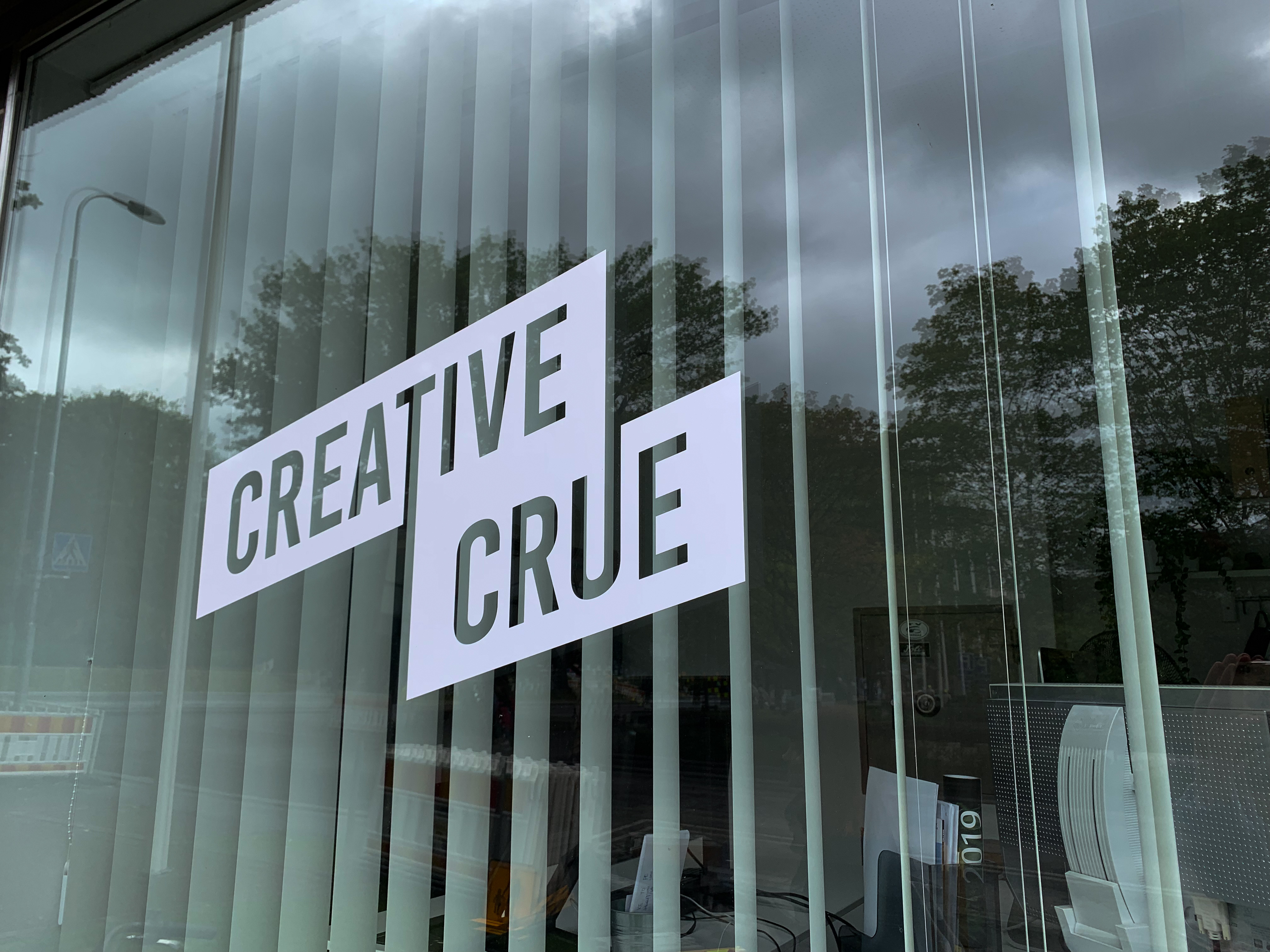
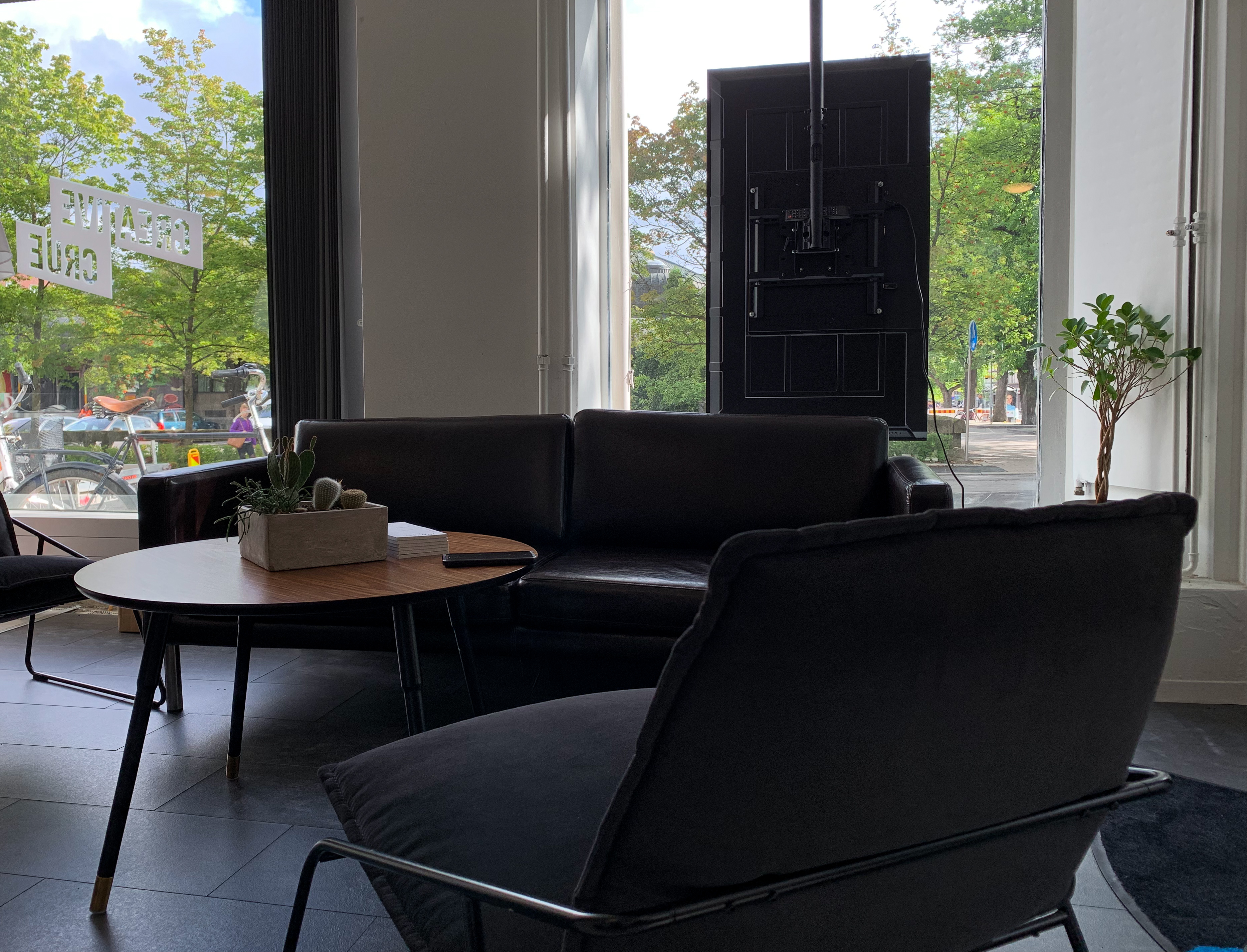
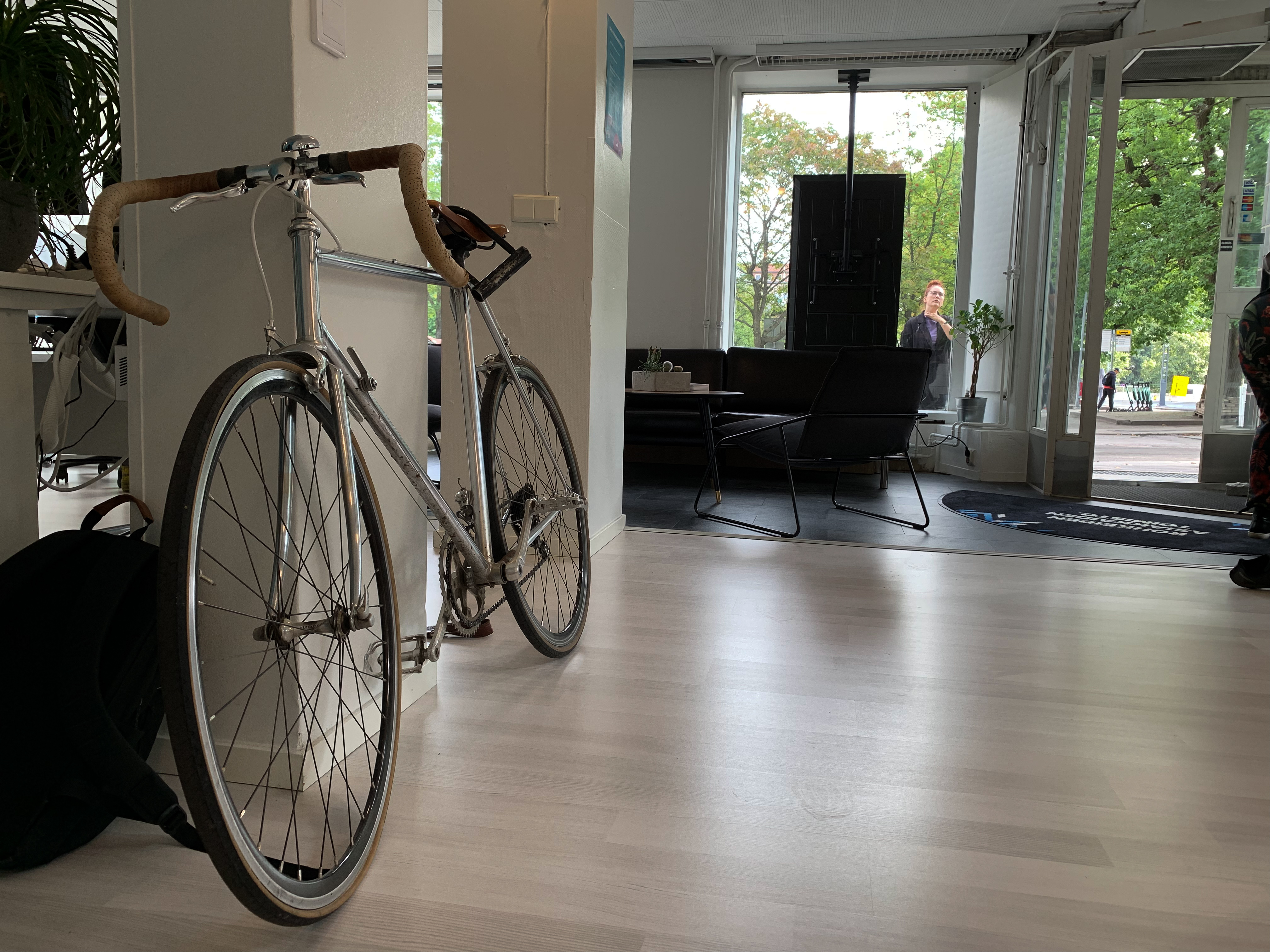
Creative crue:n työntekijä. A worker from Creative crue.

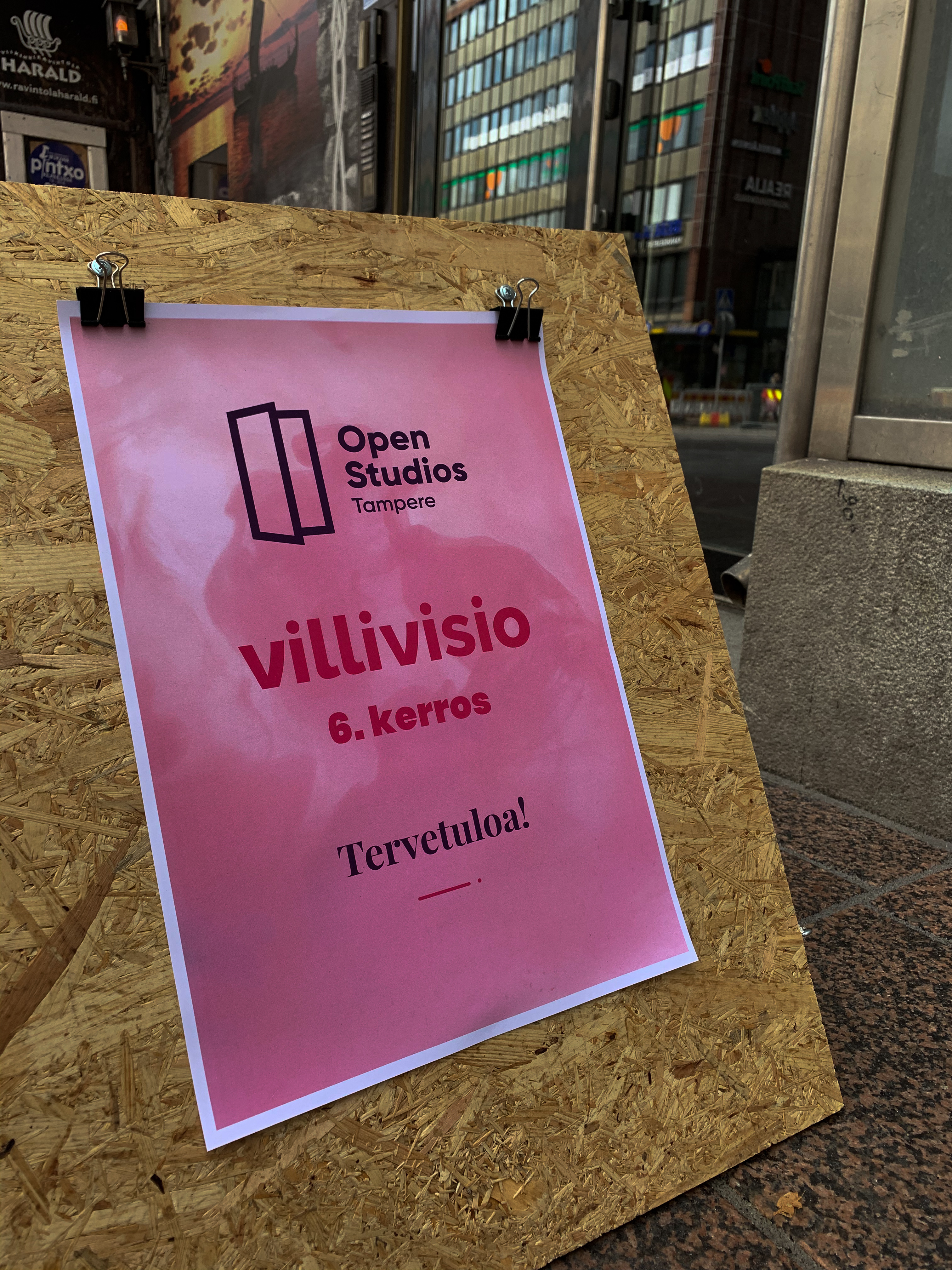
Seuraava kohde: Open Studios Tampere. Kävimme muutaman luokkalaiseni kanssa tutustumassa kolmeen eri kohteeseen. Mainostoimistoihin nimeltä Mainio, Creative Crue ja Villivisio. Opin paljon uutta ja toimistoihin tutustuminen vain vahvisti haluani työskennellä median äärellä.

Ensimmäisenä Mainio. Olimme ainoita paikalla kuuntelemassa luentoa aiheesta provosoiva mainonta. Kävimme myös läpi mitä tarkoittaa provosointi ja millaiset mainokset ovat hyvän maun rajoissa.

Mitä on provosointi ja miksi provosoida?
Provosointi tarkoittaa sitä kun joku puhkaisee kuplasi yllättäen. Tai se tarkoittaa sitä kun joku lähtee tökkimään jotakin sinulle tärkeää asiaa. Mutta miksi sitten provosoidaan? Tavoitteena on saada kuuluvuutta ja tulla puheenaiheeksi. Parhaimmillaan se on hyvin harkittua ja laskelmoitua, mutta joskus myös täysin tahatonta. “Jos kukaan ei suutu, mikään ei muutu.”

Next stop: Open Studios Tampere. With a few of my classmates we went to visit three different locations. Advertising agencies called Mainio, Creative crue and Villivisio. I learned a lot and this just made me want to work around media even more.

First we have Mainio. We were the only ones there and we had a lecture about provocative advertising. We also went through what provocation means and what kinda advertisements are within good manners and taste.

What is provocation and why provoke?
Provocation means when someone bursts your bubble without a warning. Or it means when someone comes and starts pushing your buttons. But why provoke? Your end goal is to get noticed and get your word out there. At it’s best it’s premeditated and calculated but at times it can be completely unintended. “If no one gets angry, nothing will change.”

Mainio.

Mainion jälkeen suuntana oli Creative crue. Saavuimme paikalle vähän myöhässä minkä vuoksi missasimme osan Film festival esityksestä. Esityksen jälkeen meille näytettiin Creative Crue:n tiloja ja saimme kysellä kysymyksiä. Saimme kuulla mm. että heillä on konsepti- ja graafisia suunnittelijoita, 3D-tuotantoa, animaatiota ja koodareita. Heillä on 15 työntekijää tällä hetkellä. Asiakkaita heillä on esim. Pälkäneen kunta ja Lomalinjat.

After Mainio we went to Creative crue. We arrived a bit late which is why we missed a part of the Film festival screening. After the screening we were shown the work spaces of Creative crue and we go to ask some questions. Among other things we learned that they have concept- and graphic designers, 3D-production, animation and programmers. At the moment they have 15 employees. As an example, as a clients they have the town of Pälkäne and Lomalinjat.


Ensi askeleita media-alan syövereihin ja hippusen historiaa.

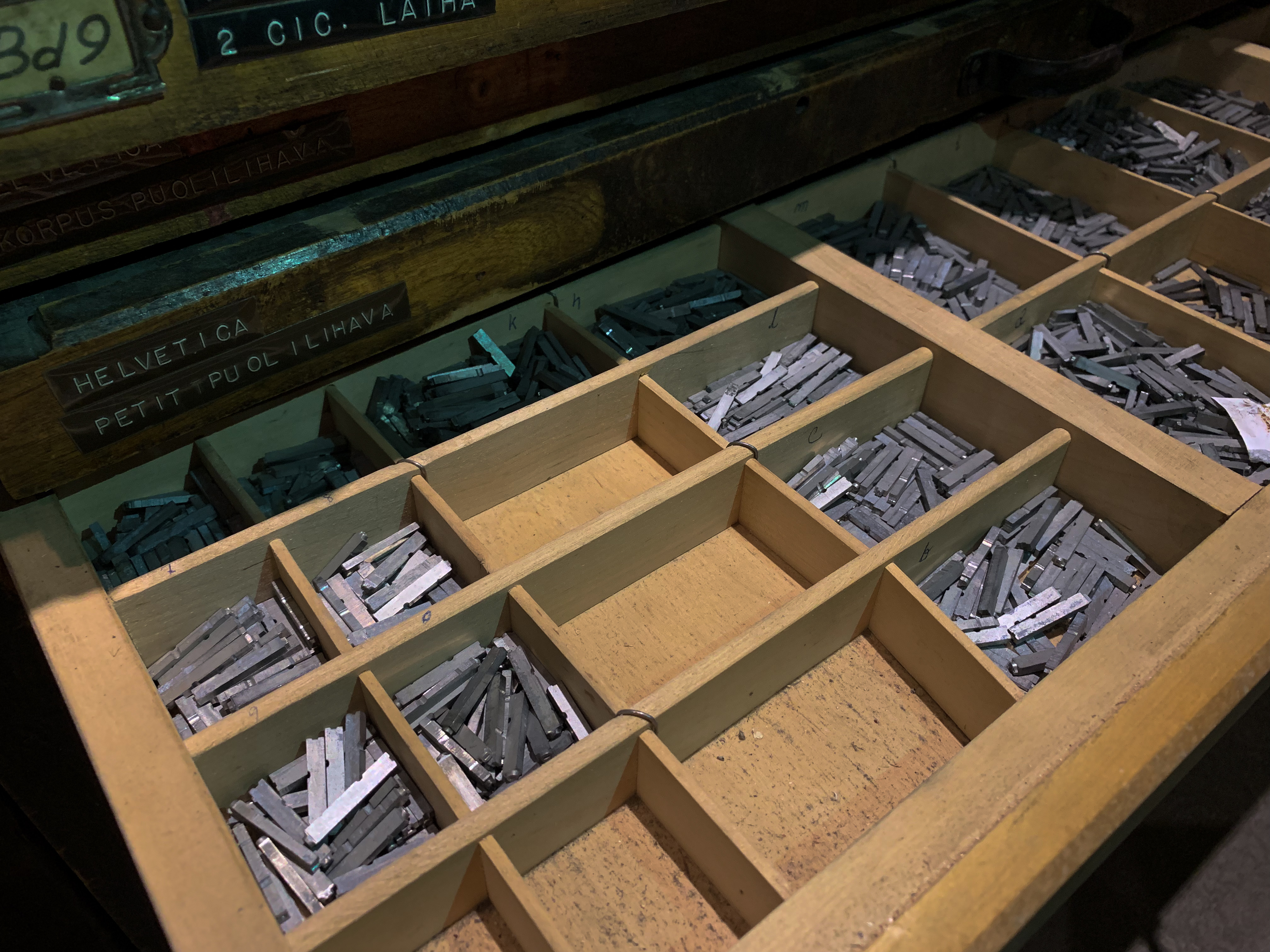
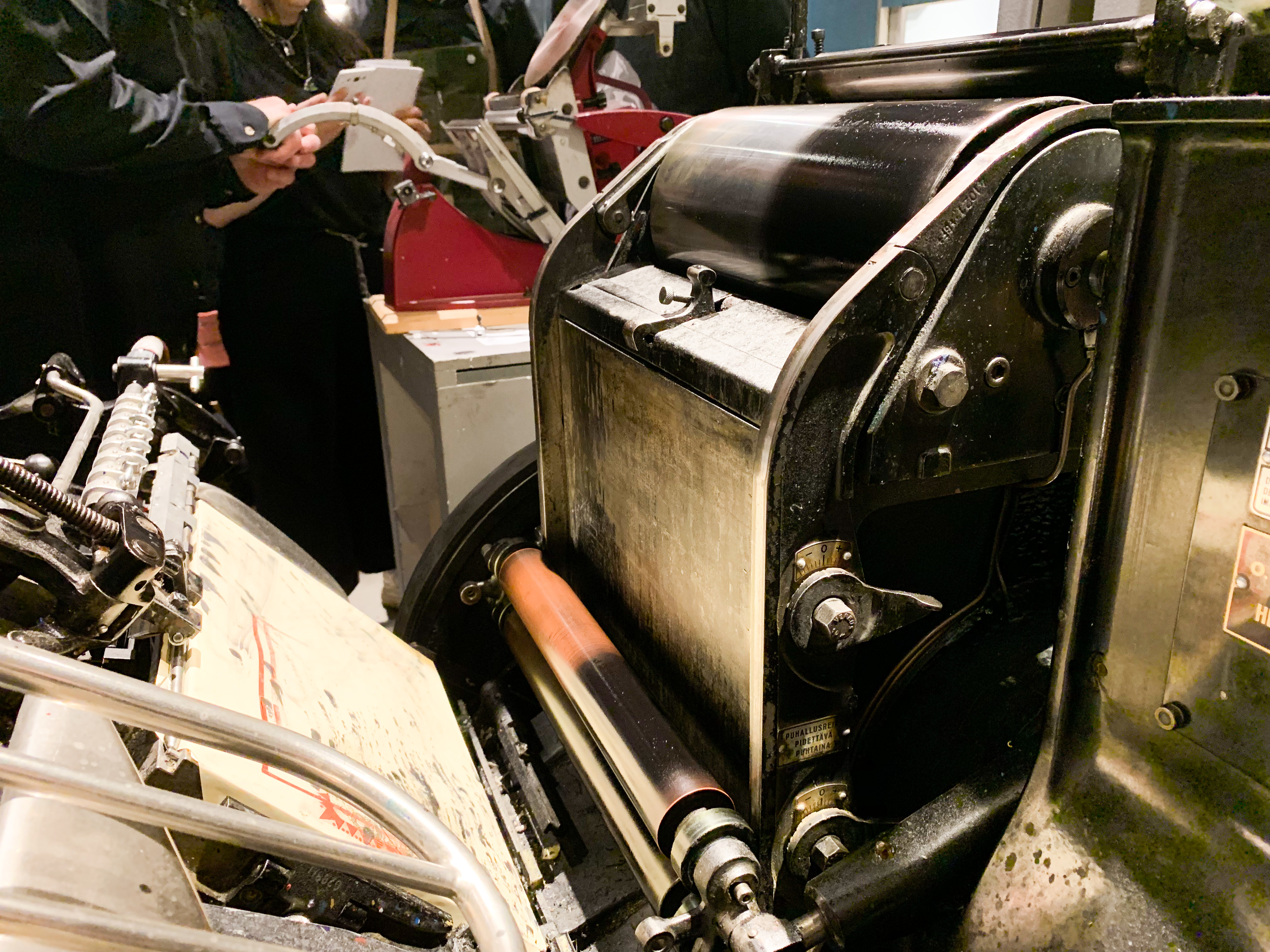
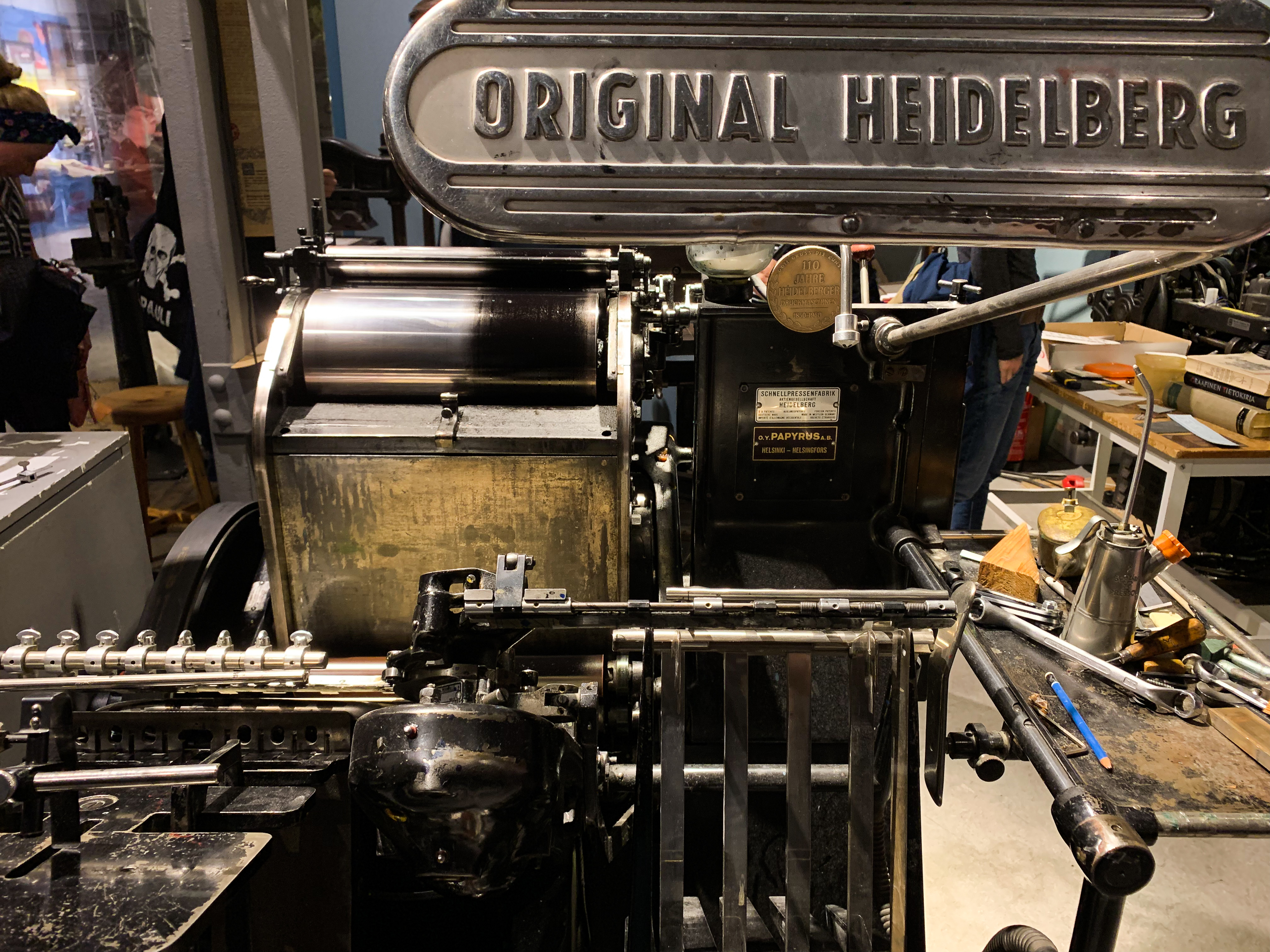
Toisena koulupäivänä suuntasimme Werstaalle museokirjapaino näyttelyyn. Näyttely oli mielenkiintoinen. Oli hauska nähdä mistä sitä oikein ollaan lähdetty liikkeelle ja kuinka pitkälle olemme tulleet pienessä ajassa.

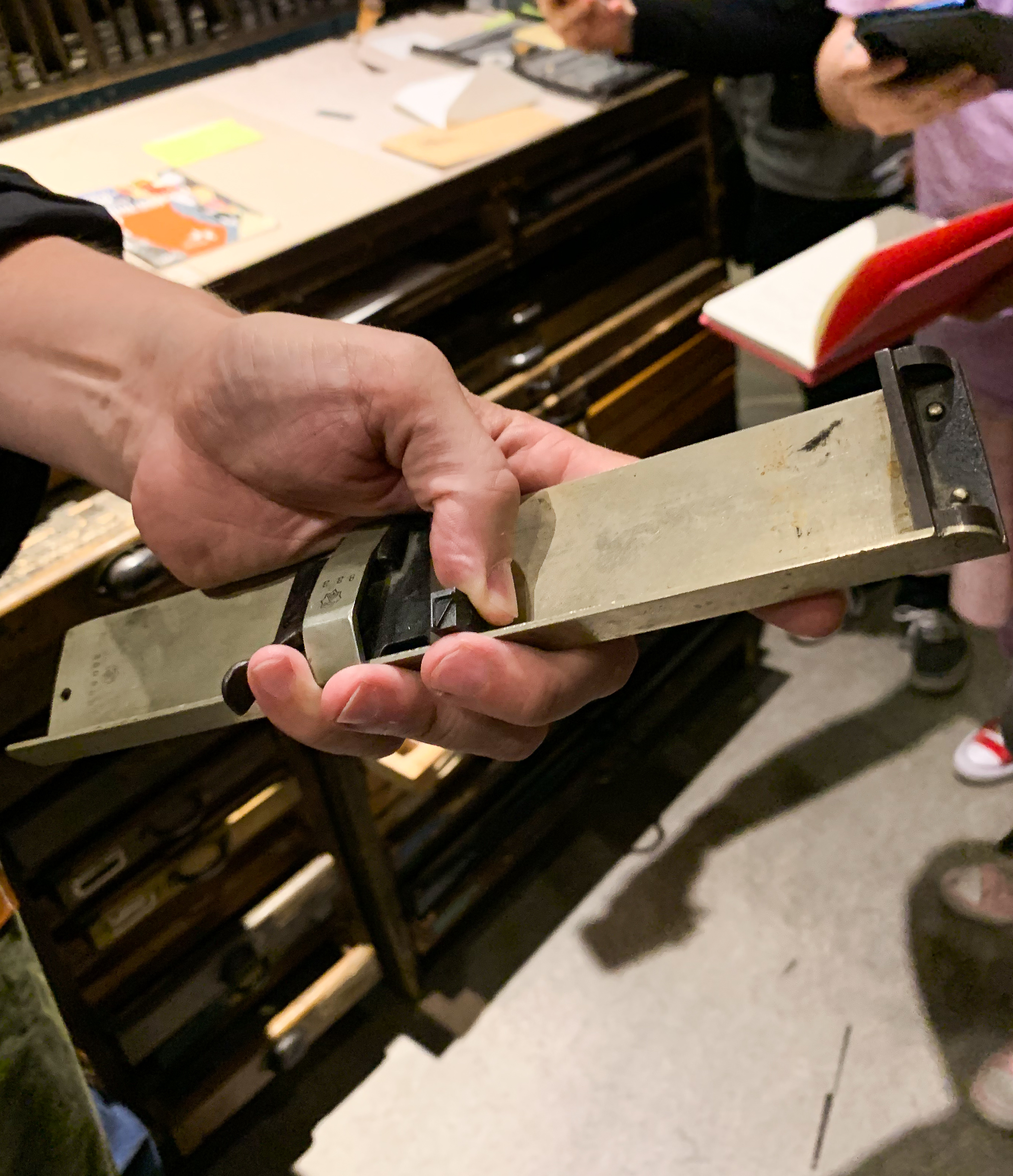
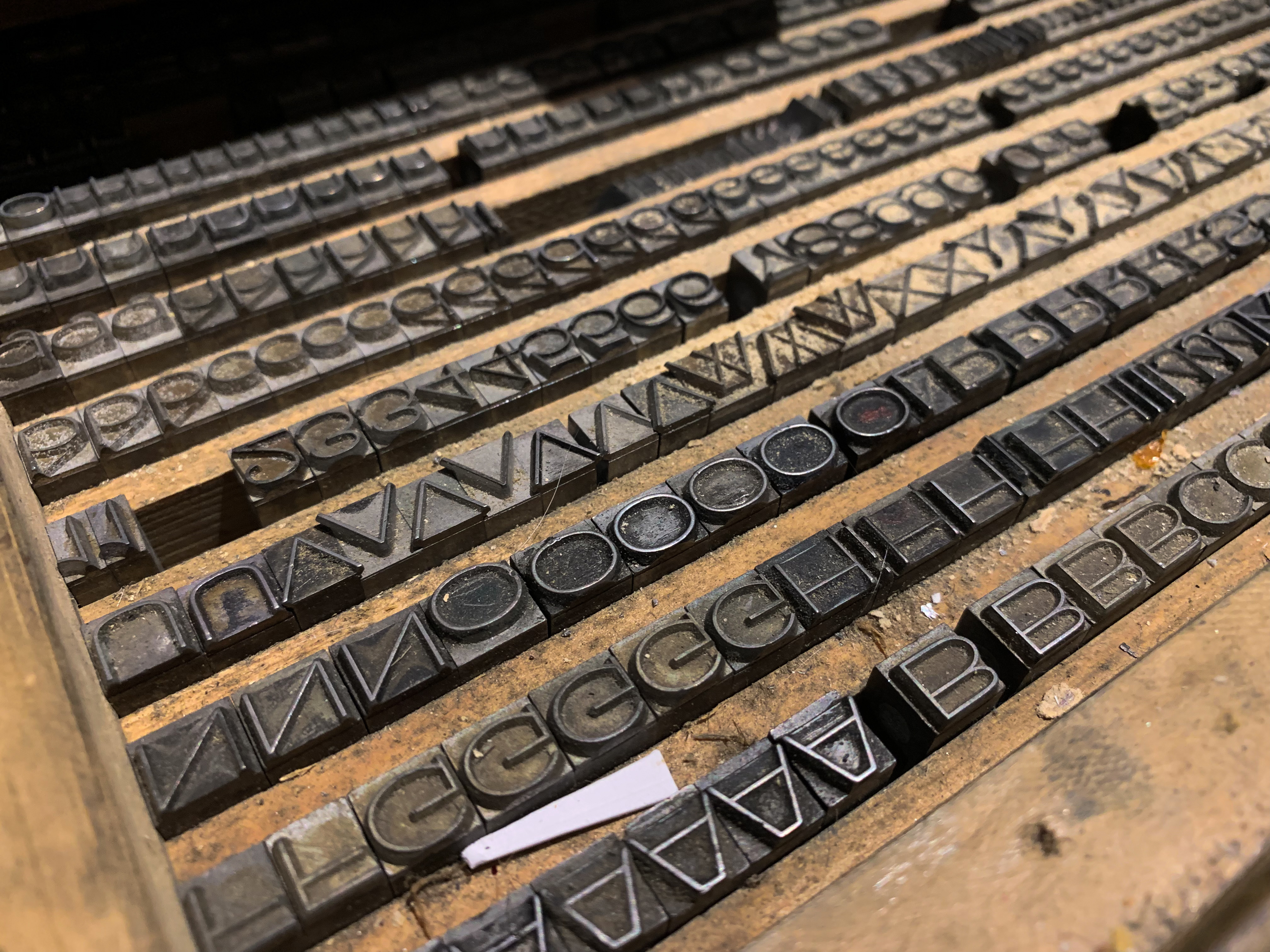
Sitten hyppäämme ajassa taaksepäin muutaman sata vuotta Gutenbergin Saksaan. Palataan 1400-luvulle. Gutenberg keksi painokoneen ja samalla myös musteen. Ennen Gutenbergin keksintöä Euroopassa kirjat jäljennettiin käsin tai puisen painolevyn avulla. Mikä oli uutta Gutenbergin painokoneessa oli se että puisen painolevyn sijaan, käytettiin metallisia kirjasimia. Hän oli merkittävässä asemassa kirjojen yleistymisen osalla. Katolinen kirkko oli hänen ensimmäisiä isoja asiakkaitaan.

On our second day at school we headed to Werstas to visit museum of printing press’. The exhibition was interesting. It was fun to see where we’ve began and how far we’ve come with printing in such a short period of time.

Then we’re time traveling back in time few hundred years back to Gutenberg’s Germany. Let’s go back to 15th century. Gutenberg invented a printing press and at the same time he invented ink. Before Gutenberg’s invention, books were copied by hand or with a wooden plate. What was new in Gutenberg’s printing press was the movable metal type. He was in remarkable position in the growing popularity of books. Catholic Church was one of his first biggest clients. 

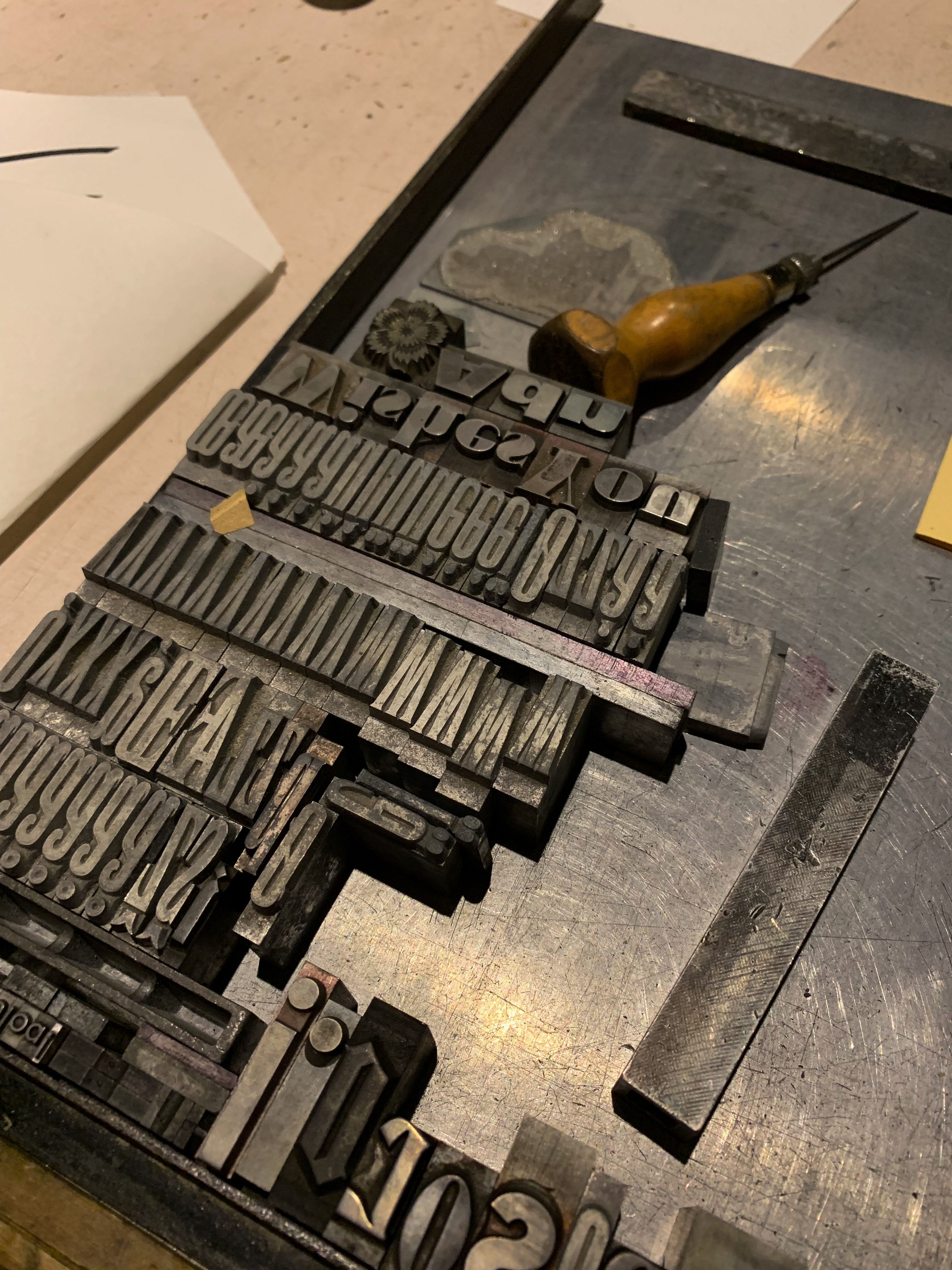
Sitten hyppäämme taikaisin nykypäivään. Tai ei ihan. Käydään vielä muutamasta koneesta teoriaa. Gutenbergin kehittämästä painokoneella painopinta tehdään joko käsin latomalla tai latomaha’alla. Näin luodaan tekstiä riveihin. Mikäli haluat kuvan tai kuvan jossa on myös tekstiä, tulee sinun luoda kehilö, joka kiinnitetään painokoneeseen. Fontit ovat pysyneet suunnilleen samoina vuosikymmenet.

Then jump back to the present moment. Or not quite. Let’s go through some theory. You use Gutenberg’s printing press by composing letters into the movable metal type or just composing letters. This is how you make lines of text. In case you want a picture or a picture with some text you have to build a chase which is then put into the printing press. The fonts have stayed pretty much the same for decades.

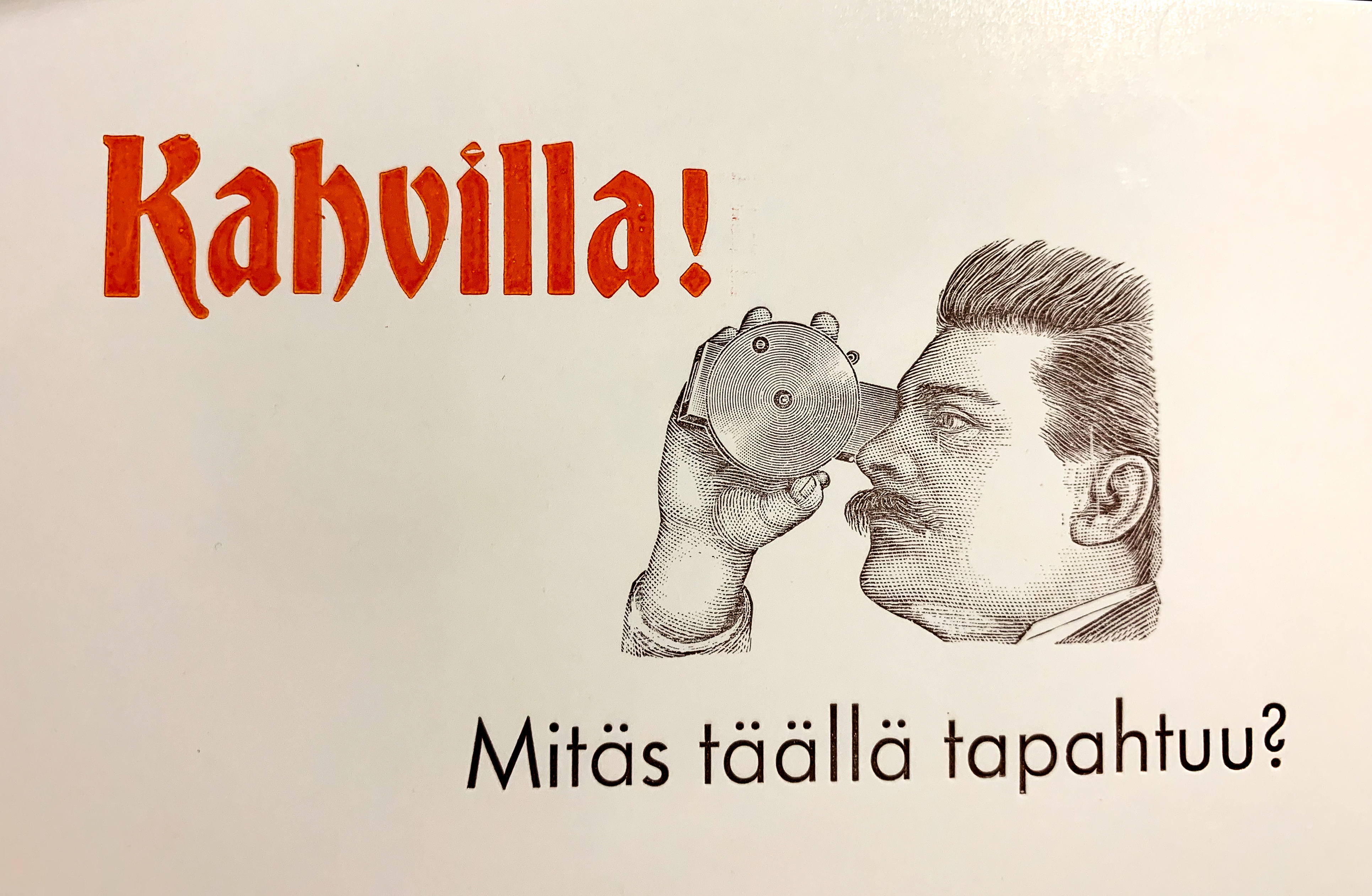
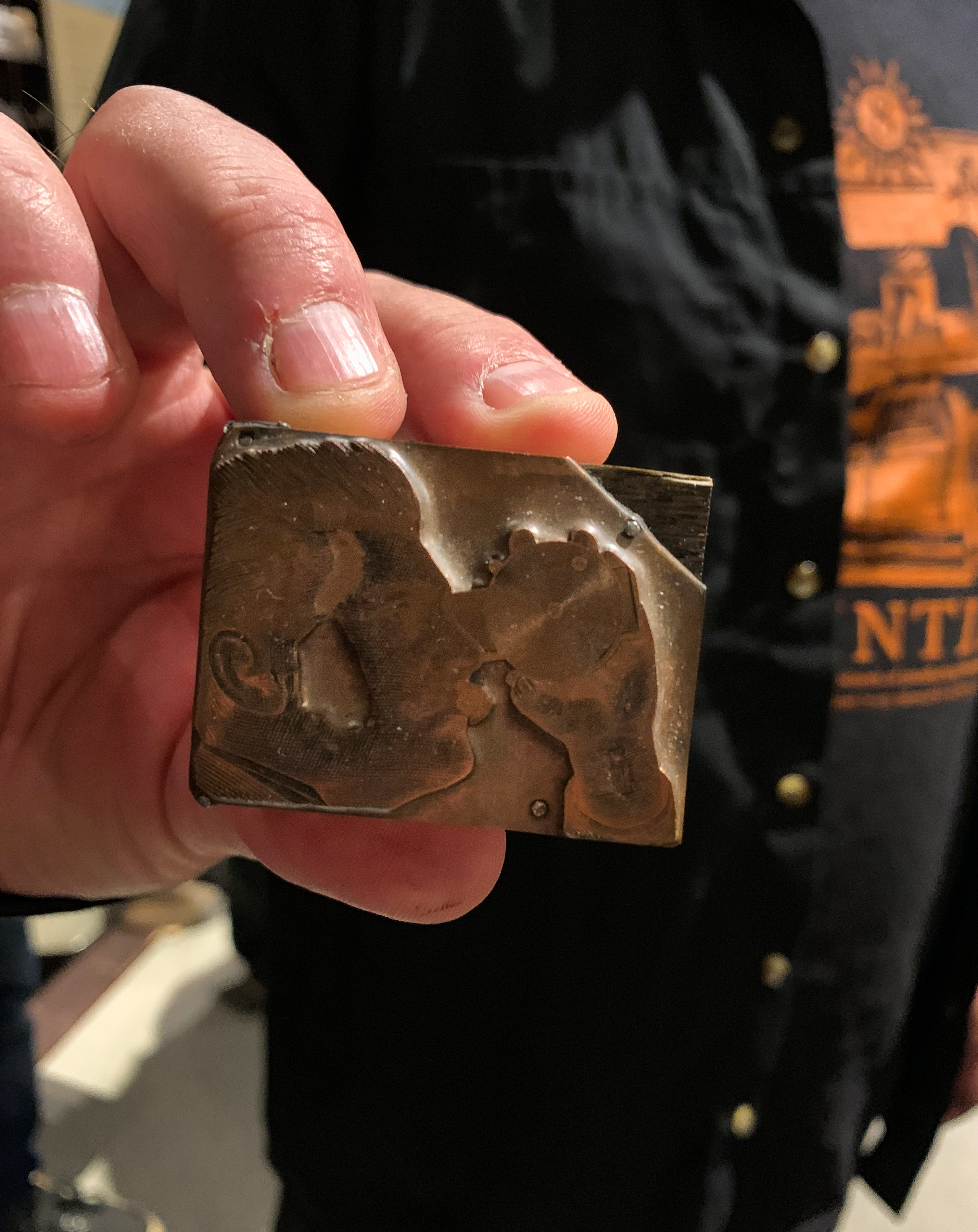
Painokoneella painettu kuva. A picture pressed by using a printing press.
Kuvan painamisessa käytetty paino. The form used to print the picture.

Who am I?

Tervetuloa uuteen projektiini!
Blogini on paikka jossa tulet näkemään tuotoksiani median parissa ja pääset seuraamaan, kun opin uutta ja pääsen sukeltamaan syvemmälle median antimiin. Blogi on kouluprojekti ja samalla portfolio. Opiskelen tällä hetkellä Media-alan ja kuvallisen ilmaisun perustutkintoa Tredussa. Toistaiseksi olen vielä erittäin innoissani ja odottavainen tulevaisuuden ja opiskelujen suhteen.

Ensimmäisinä koulupäivinä tajusin, kuinka vähän sitä mediasta onkaan tietoutta kertynyt ja kuinka paljon on vielä opittavaa. Mutta oppimaanhan tänne on tultukin. Photoshopilla ja Lightroomilla on tullut leikittyä jonkun verran, mutta muista ohjelmista vain nimet ovat tulleet tutuiksi.

Seuraavaksi kerron hieman itsestäni. Olen 21-vuotias ja asun Tampereen kupeessa. Tykkään matkustella, olla eläinten parissa, kuunnella musiikkia, kuvat ja editoida, nähdä ystäviä ja meikata. Eniten harrastan luonto- ja katukuvausta. Haluaisin myös oppia enemmän, kuinka kuvata ihmisiä. Luonteeltani olen avoin ja tykkään tutustua uusiin asioihin ja ihmisiin.

Welcome to my new project!
This blog is a place where you can find my creations regarding media and you get to see while I learn and dive deeper into media and what it has to offer. This blog is a school project and at the same time a portfolio for my doings. I am currently studying Media and visual expression in Tredu. So far I’m really excited and looking forward to the studies.

On my first days I realized how little I’ve collected knowledge of media and how much I still have to learn. But this is a learning journey after all. I’ve been playing with Photoshop and Lightroom a little but with other softwares, only names are familiar.

Next I’m gonna tell you a little bit about myself. I’m 21 and I live next to Tampere. I like to travel, be around animals, listen to music, photograph and edit ,see my friends and play with make up. Mostly I do nature and street photography but I’d like to learn more on how to photograph people as well. I’m open-minded and I like to get to know to new things and people.